
What is Hydrafacial? The Complete 2026 Guide for Clients + Studios
Hydrafacial explained: the 7-step procedure, what it actually costs, which skin types it suits, what it doesn't — and how studios offer it properly.
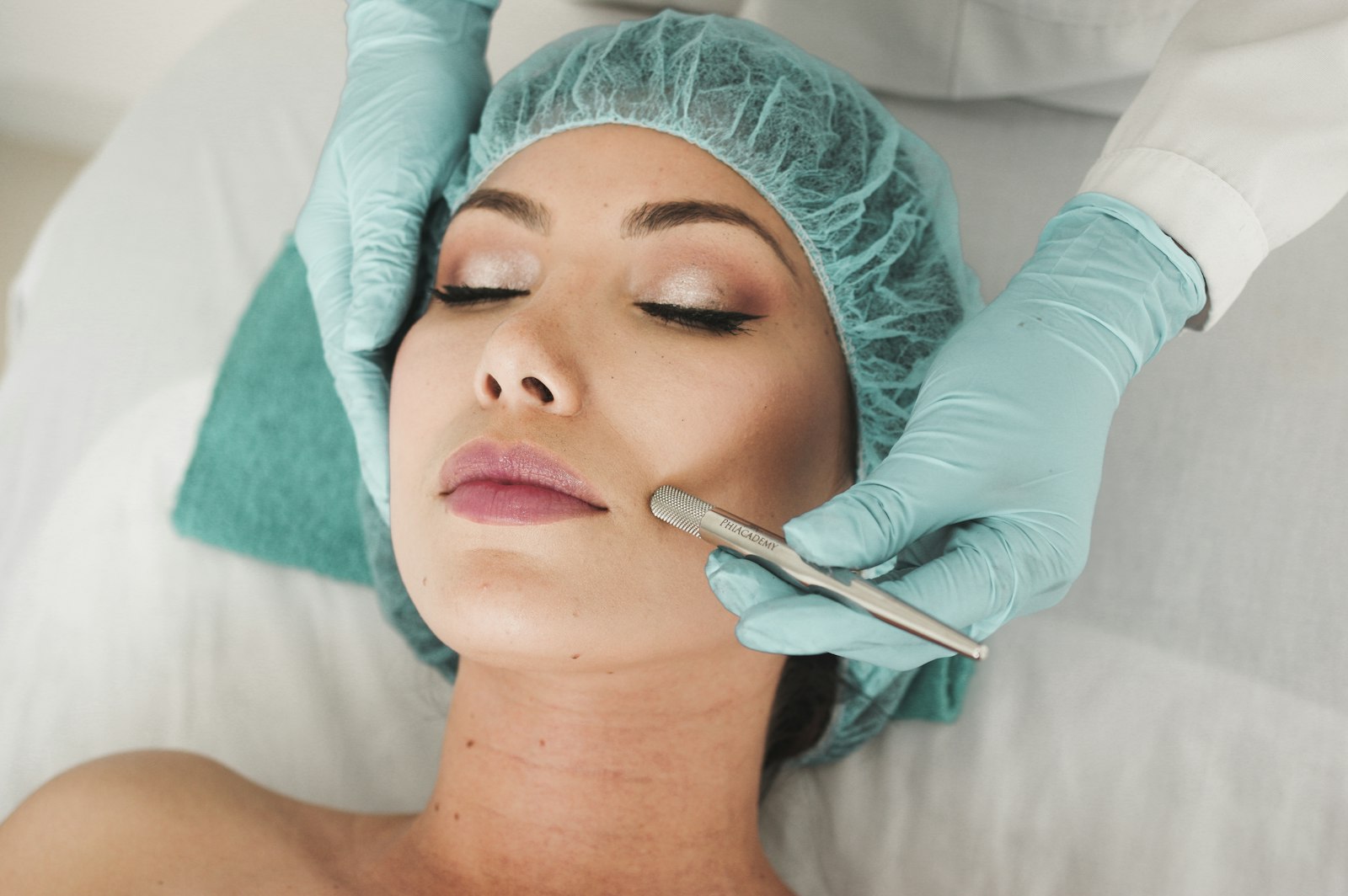
What is Hydrafacial? The Complete 2026 Guide for Clients + Studios
Short version: Hydrafacial is a medical-grade cosmetic facial treatment that combines cleansing, exfoliation, extraction and active-ingredient infusion into 7 structured steps — all delivered with a patented vacuum device that doesn't irritate the skin. A session takes 30–60 minutes and costs between €80 and €200 depending on the studio and the depth of the treatment.
Hydrafacial has been on the market since 2008 and has, over the last three years, moved from being a premium spa treatment into a standard service at many beauty and medical-spa studios. In this article we'll explain exactly what happens during a session, who it's suitable for, what it costs, and what studios should pay attention to when adding it to their menu.
Hydrafacial — the name and the background
"Hydrafacial" is a registered trademark of the US manufacturer HydraFacial Company (now part of the BeautyHealth group). The device combines several well-established cosmetic techniques — hydrodermabrasion, suction massage, active-ingredient infusion — inside a single treatment workflow.
Important to know: there is no generic "Hydrafacial treatment" without the original device. If a studio offers something called "Hydra-Facial" or "Aqua-Facial" using a different machine, that's technically a comparable treatment, but not the trademarked original Hydrafacial. The quality and the result can still be good — just ask the studio directly.
The 7 steps of a typical Hydrafacial session
A standard Hydrafacial treatment consists of three main phases, broken down into individual steps:
Phase 1: Cleansing & preparation (10–15 min)
-
Lymphatic drainage: Gentle suction movements activate the lymphatic system across the face and neck. This improves circulation in the skin and prepares it for the steps that follow.
-
Deep cleansing & peel: A blend of glycolic and salicylic acid gently removes the top layer of skin. Dead skin cells, sebum and surface debris are loosened — with no mechanical scrubbing involved.
Phase 2: Extraction & clearing (10–20 min)
-
Exfoliation with suction: The Hydrafacial device works like a tiny, precise vacuum. Blackheads, sebum plugs and clogged pores are removed mechanically — but painlessly. This is the step with the most visible immediate impact.
-
Painless extraction: Deeper blockages are removed via the suction-tip system without the skin being squeezed or irritated. Unlike classic extractions, there's no redness left behind.
Phase 3: Infusion & protection (5–15 min)
-
Antioxidant infusion: Highly concentrated active-ingredient cocktails (vitamin C, hyaluronic acid, peptides) are delivered directly into the skin via the vacuum system. This phase is brand-specific — various "boosters" can be selected depending on skin type.
-
LED light therapy (optional): Red light for anti-aging, blue light for blemished skin. Takes 5–10 minutes and is usually included in the price as an add-on.
-
Protective finish: Sunscreen and hydrating final care. The client can leave the studio straight away — no make-up needed to cover anything up.
Who is Hydrafacial suitable for?
The most common question, and at the same time the answer studios often under-communicate: Hydrafacial is one of the most skin-friendly treatments on the market — precisely because of the suction-rather-than-scrub principle.
| Skin type / concern | Suitable? | Note |
|---|---|---|
| Sensitive skin | ✓ | Gentler than a classic peel |
| Blemished / acne-prone skin | ✓ | Very effective on blackheads |
| Dry skin | ✓ | Hyaluronic infusion adds hydration |
| Mature skin / anti-aging | ✓ | Antioxidant booster |
| Couperose / rosacea | ⚠ | Discuss with your practitioner beforehand |
| Active acne (inflammatory) | ⚠ | Only in a stable phase, not during a flare |
| Active skin condition | ✗ | Get a dermatologist's clearance first |
| Pregnancy | ⚠ | Some actives aren't pregnancy-safe — check first |
What does Hydrafacial cost in Germany?
Prices vary widely depending on studio location, depth of treatment and add-ons. Here's a realistic overview for 2026:
| Treatment type | Duration | Price range |
|---|---|---|
| Express Hydrafacial (entry-level) | 30 min | €80–110 |
| Signature Hydrafacial (standard, 7 steps) | 45–60 min | €120–160 |
| Deluxe Hydrafacial (with LED, booster) | 60–75 min | €160–200 |
| Platinum Hydrafacial (premium booster, intense LED) | 75–90 min | €200–250 |
Across the DACH region, prices in major cities (Berlin, Munich, Hamburg, Zurich, Vienna) are typically 15–25% higher than in rural areas.
We've written a dedicated price-comparison article with a detailed breakdown by region.
Hydrafacial vs. other facial treatments — what's different?
| Treatment | Mechanism | Pain | Downtime |
|---|---|---|---|
| Hydrafacial | Suction + ingredient infusion | none | none |
| Classic peel | Acid / mechanical | mild | 1–3 days of redness |
| Microneedling | Micro-needles | moderate | 1–2 days |
| Laser treatment | Light energy | moderate–strong | 3–7 days |
| Classic cleansing facial | Mechanical extraction | mild | occasional redness |
Hydrafacial is the "feel-good powerhouse" — minimally invasive, visibly effective, social-ready straight out of the studio. That's why it's so popular before weddings, events and photo shoots.
How often can/should you have a Hydrafacial?
The recommended frequency depends on your goal:
- Maintenance (keeping healthy skin healthy): every 4–6 weeks
- Anti-aging course: 4 sessions across 2 months, then monthly
- Acne treatment: once a week for 4–6 weeks, then taper
- Special occasion (wedding, event): 1–2 days before the date is enough
Going more often than every 2 weeks isn't medically meaningful — the skin needs recovery time between infusions.
What clients should know before the treatment
- No make-up for 6 hours beforehand — otherwise the studio has to do an extra cleanse, which eats into your treatment time
- No other peel within 48 hours (including at home)
- At least 7 days' gap from microneedling, laser or Botox
- Sunscreen for 7 days afterwards, no exceptions — your skin is more UV-sensitive
- Acne clients: only when in a stable phase, never during acute inflammatory flares
For studio owners: what to watch out for
If you offer Hydrafacial in your own studio — or want to — these are the most common pitfalls:
1. Genuine Hydrafacial devices are expensive
The investment range is €30,000–60,000 per device, plus ongoing costs for original boosters and consumables. Comparable devices from third-party manufacturers (aqua-facial systems) start at €8,000 — but they can't be called "Hydrafacial" (trademark-protected).
2. A deposit policy prevents costly no-shows
A 60-minute Hydrafacial session ties up the practitioner and the machine — a single no-show means €120–200 of revenue gone, with no chance of refilling the slot on short notice. A 30% deposit at the time of online booking drops the no-show rate from 22% to 3–5% (see our beauty studio no-show study).
3. Your online booking has to reflect the depth of the service
Hydrafacial is a treatment that needs explaining. Studios that just list "Hydrafacial – €150" as a single service on their booking page are leaving money on the table. A dedicated service card per variant (Express/Signature/Deluxe/Platinum) — with description, results and add-on options — lifts the average booking value by 20–35%.
With EazyBooking you can create service cards with photo, description, duration and price individually. Plus: deposit configurable per service (1–99%).
4. Send the after-care email automatically
After every Hydrafacial session, clients should receive a short after-care email: sunscreen, no peels for the next few days, and ideally a follow-up appointment suggestion. Studios that automate this see 25–40% higher recall rates than those relying on manual reminders.
Frequently asked questions (FAQ)
How quickly do you see results?
Immediately after the treatment — skin looks fresher, more hydrated and more even. Maximum effect after 1–2 days once the actives are fully absorbed. Lasting for 4–6 weeks.
Does Hydrafacial hurt?
No. The suction feels like a gentle massage. On the face it's often described as pleasant — comparable to a relaxing wellness treatment.
How long does the result last?
4–6 weeks of visible skin improvement. For sustained results, a monthly maintenance programme is recommended.
What does a Hydrafacial actually cost?
€80–250 depending on studio, city and treatment depth. Full details in our Hydrafacial cost article.
Can I have a Hydrafacial during pregnancy?
With restrictions. Some booster actives aren't suitable for pregnancy (e.g. those with salicylic acid). Most studios offer a "pregnancy-friendly" variant with milder boosters — ask in advance.
How is Hydrafacial different from a classic spa facial?
A classic facial is mostly hands and masks — relaxing, surface-level. Hydrafacial uses a device with vacuum technology, has measurable cosmetic results and removes blackheads/blockages more deeply.
Is Hydrafacial the same as aqua-facial?
No. "Hydrafacial" is a registered trademark with an original device. "Aqua-facial" is a catch-all term for similar devices from other manufacturers. Functionally comparable, but quality varies by manufacturer.
Next steps
- → Hydrafacial cost in Germany 2026 — detailed price comparison
- → How long does Hydrafacial really last? Duration + effect study
- → Hydrafacial aftercare — what to do in the 7 days afterwards
- → Online booking for beauty studios offering Hydrafacial
In 2026, Hydrafacial is one of the most mature premium facial treatments on the market. Studios benefit from healthy margins and strong client loyalty; clients get measurable skin improvement with zero downtime.
Author
EazyBooking Team
Wir bauen EazyBooking — eine Online-Terminbuchung für Service-Businesses in der DACH-Region. Hosted in Frankfurt, DSGVO-konform, ohne Provision.
Related Topics